Stone & Composite Cladding — Prestigious Look, Long-Lasting Facade

Natural stone, porcelain/ceramic (gres), fiber-cement and composite panel solutions; applied with proper anchorage, ventilated facade gap, fire barrier and water drainage details.
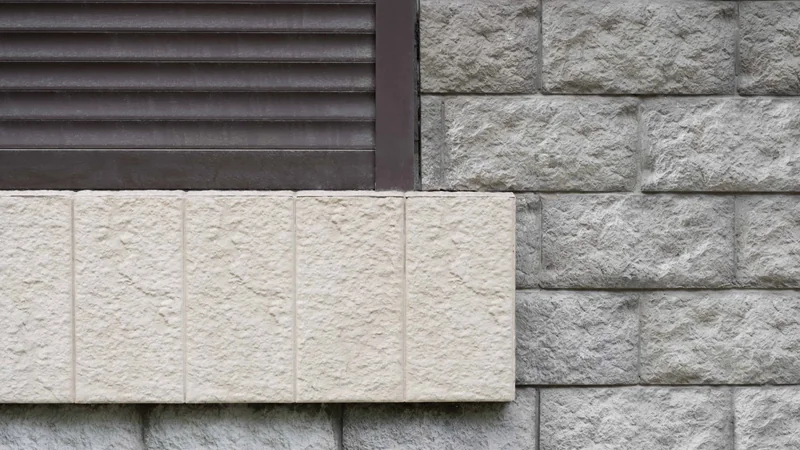
Ventilated facade system with stone and composite panels

Why Fethiye's Master?

  • Correct System

    Material (stone/porcelain/fiber-cement/composite) and substructure selection made project-specific.

  • Secure Anchorage

    Stainless/aluminum profiles, proper anchors and clips; ventilated gap discipline.

  • Fire Barriers

    Inter-floor fire-stopping strips and correct material selection in joints.

  • Water Management

    Drip edge/sill continuity, vertical drainage and rear air gap continuity.

  • Precise Leveling

    Rail-carrier alignment, staggering and panel alignment with laser-controlled installation.

  • Warranty

    Written scope, maintenance plan and workmanship warranty.

System & Material Options

Natural Stone

Travertine/Granite

  • High durability and prestigious appearance.
  • Stainless anchorage and secure joint configuration.
  • Long service life with ventilated gap.

Porcelain/Gres

Large format

  • Low water absorption and UV/stain resistance.
  • Hidden clip/channel system options.
  • Lightweight, easy-maintenance surface.

Fiber-Cement

Natural texture

  • Vapor permeable, impact resistant panels.
  • Paintable or ready-finish surface options.
  • Hidden/battened mounting alternatives.

Composite Panel

Aluminum Composite (ACM)

  • Lightweight and fast installation; wide color options.
  • Proper substructure and expansion configuration important.
  • Core selection suitable for environmental conditions.

Substructure & Anchorage

Support System

  • Stainless/Aluminum vertical-horizontal rails, adjustable brackets.
  • Anchor/chemical anchor selection according to wall type.
  • Thermal spacers that reduce thermal bridges.

Ventilated Facade

  • Rear air gap; condensation and moisture management.
  • Entry-exit grilles and pest protection.

Panel Mounting

  • Hidden clips, channels or adhesive + mechanical safety.
  • Point anchorage in stone and stainless connections.
  • Alignment: laser reference, staggering and modulation.

Proper Substrate

  • Support wall check and flatness corrections.
  • Detail solution together with insulation/fire barriers.

Joints & Critical Details

Joint Management

  • Continuity of expansions and movement allowance.
  • Flexible joints with elastic sealant.
  • Modulation: window-door surround symmetry.

Water Drainage

  • Drip edge and sill profiles, drip breakers.
  • Directed drainage in rear gap.

Fire & Barriers

  • Fire barrier strips at floor levels.
  • Material/sub-system compatible detail components.
  • Zoning/discipline in ventilated gap.

Detail Accessories

  • Corner profiles, drip edges and expansion covers.
  • Door/window reveals and finish battens.

Performance & Safety

Durability & Maintenance

  • Long service life against UV, rain and wind loads.
  • Low water absorption in stone/porcelain; stain resistance.
  • Easy maintenance on composite and fiber-cement surfaces.

Safety Principles

  • Proper anchorage and panel safety elements.
  • Fire-stop barriers and rear gap control.
  • Correct modulation for wind load and expansion.

How We Work

  1. Inspection & Structural Review

    Wall load-bearing capacity, flatness and wind directions.

  2. System & Module Decision

    Stone/porcelain/fiber-cement/composite; module and joint plan.

  3. Sample & Written Scope

    Anchorage detail, accessory list and timeline.

  4. Substructure & Installation

    Rail-bracket, fire barriers and panel mounting.

  5. Joints & Water Management

    Elastic joints, drip edge/sill and drainage.

  6. Inspection & Handover

    Alignment, connection safety and maintenance plan.

What Determines Price?

  • Panel/stone type, size and thickness.
  • Substructure (rail-bracket) density and anchor count.
  • Facade height, scaffolding and access conditions.
  • Detail complexity (sills, drip edges, reveals, expansion).
  • Fire barrier and ventilated gap configuration.

Transparent quote: After inspection, we provide clear pricing with written scope, module-joint plan and timeline. Sample panel prepared.

Frequently Asked Questions

Why is ventilated facade preferred?

Rear gap manages moisture/condensation; helps surface stay long-lasting and clean.

Natural stone or porcelain?

Stone offers prestige and unique texture; porcelain has lightness, low water absorption and large format advantages.

How is fire safety ensured?

Safety principles applied with proper substructure, inter-floor fire barriers and zoning in rear gap.

Does it require maintenance?

Easy maintenance with periodic low-pressure washing and joint/seal checks.

Can it be applied with insulation?

Yes. Ventilated facade configurations over ETICS are possible; details solved together.

Areas We Serve

Let's Renew the Facade Safely

After inspection, module/joint plan and written scope, proceed risk-free.