
Italian Plaster (Venetian Plaster) Complete Guide 2025: Application, Maintenance, Cost
Lime-based (marmorino/grassello) Italian plaster surface preparation, layering, burnishing (polishing), protective seal/wax application and 2025 cost ranges. Related service page: Italian Plaster.
Introduction
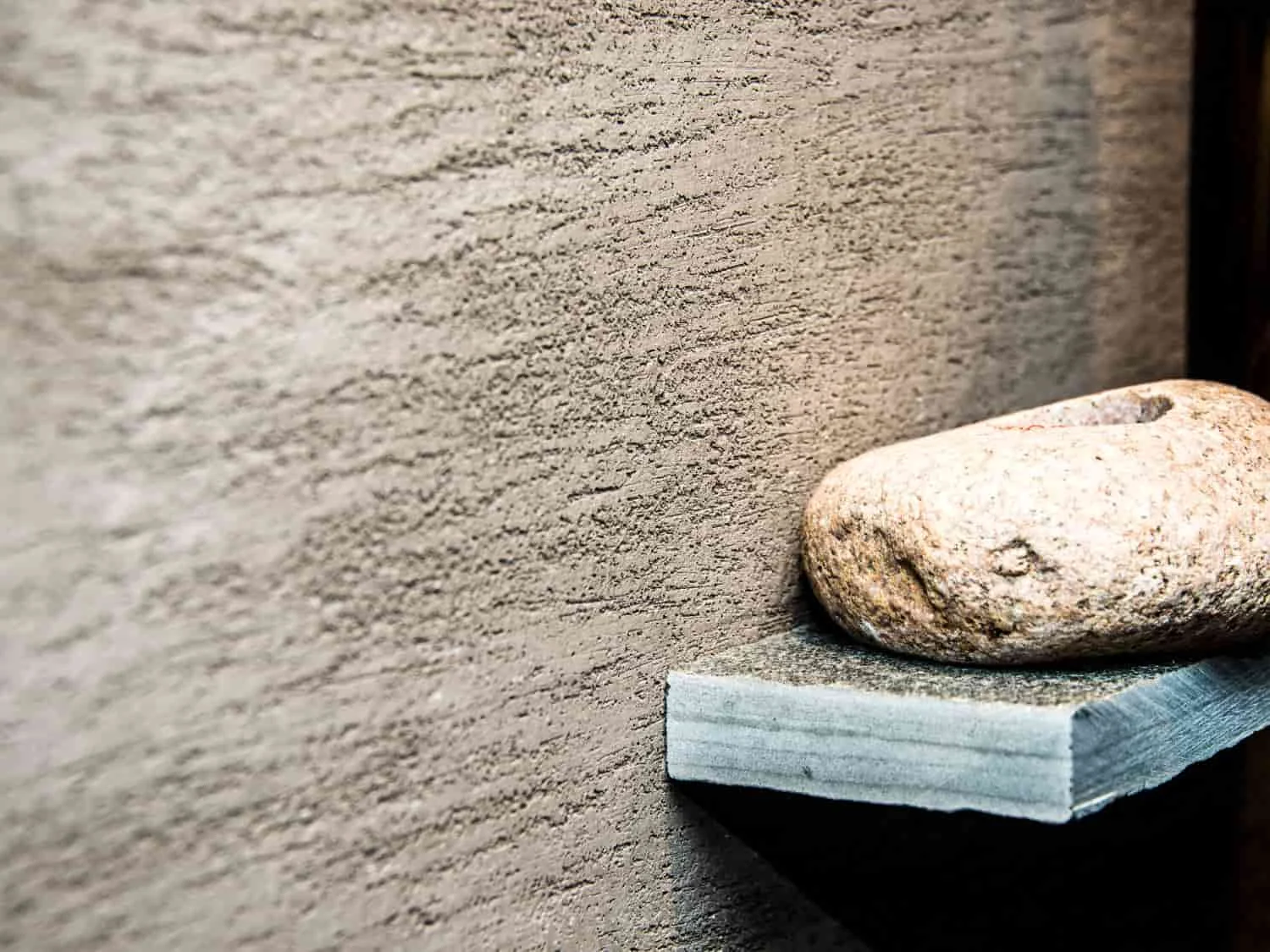
Italian plaster is a decorative coating based on lime paste and marble powder, applied in multiple layers and achieving high gloss when polished. It breathes thanks to its natural structure; however, protective sealer/wax is essential for wet areas.
Who Is It Suitable For?
- Living rooms, entrances and corridors seeking feature wall.
- High visual impact in prestige spaces like hotels/villas.
- Surfaces requiring protection with proper sealer in areas like kitchen and behind sink.
Material Selection
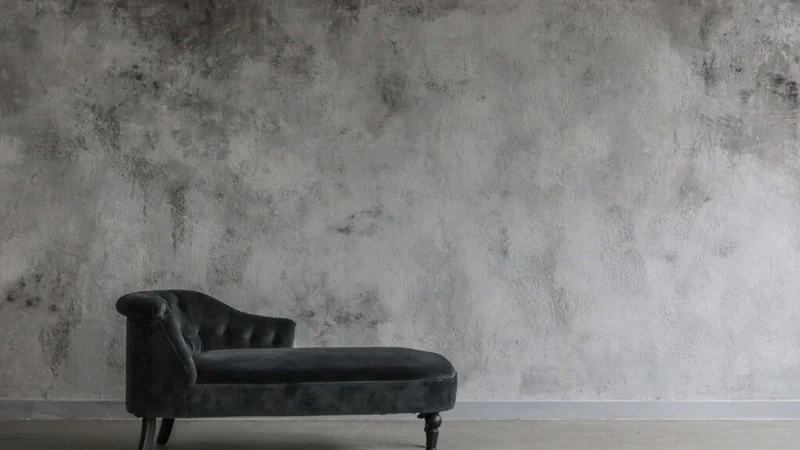
Product family is usually divided into Marmorino Fine/Coarse and Grassello di Calce. Granule size determines texture and final gloss. UV-resistant minerals should be preferred in pigment selection.
Application Steps
- Surface Preparation: Flat, solid, dust-free base; appropriate primer.
- 1st Coat (Base): Thin and homogeneous spread with steel/stainless steel trowel.
- 2nd Coat: Coverage with cross movements; surface corrections after partial drying.
- Burnishing (Polishing): Increasing gloss with correct trowel angle and pressure.
- Protection: Natural wax or water-based sealer according to area requirements.
Common Mistakes
- Insufficient surface flatness → wavy gloss.
- Wrong trowel angle → burn marks/darkening.
- Skipping sealer in wet areas → stains and water marks.
Cost (2025)
Varies according to area, texture (fine/coarse), desired gloss and protective coats. Inspection and small area sample is recommended for clear quote.
| Scope | Description | Range |
|---|---|---|
| Standard wall | 2 coats + polishing | ₺ … / m² |
| High gloss | Additional burnishing + wax/sealer | ₺ … / m² |
| Wet area | Multi-layer sealer system | ₺ … / m² |
Maintenance & Cleaning
- Neutral pH cleaner and soft microfiber cloth.
- Renewing wax/sealer coat every 12–24 months preserves gloss.
- Periodic check at corners/components exposed to friction.
Frequently Asked Questions
Can it be used in bathroom and shower?
Water resistance can be increased with proper sealer/wax; risk continues for shower interiors with constant water contact.
Does gloss fade over time?
Fading may occur depending on use; gloss can be regained with wax/sealer renewal.
Is local repair possible?
Small areas can be touched up with compatible product; for major damage, repolishing the entire wall is recommended.
Call to Action
Proceed risk-free with sample and written scope. Let's plan your project.