
Interior Door & Joinery: Models and Materials
Compact laminate, PVC and solid (natural wood) options; frame-trim, hinge-lock and sound/thermal performance. Measuring, door direction and maintenance tips. Related service page: Interior Door & Joinery.
Introduction
Interior doors are critical for privacy, acoustic control and thermal zoning. With correct material and accessory selection, quiet, trouble-free use for many years is possible. Below, all main topics from models to measurements, hinges to seals are organized.
Models
- Flat panel: Minimal & economical; suitable for laminate or lacquer application.
- Grooved/battened: Modern line, rhythm effect; micro grooves that don't hold dust.
- Glass (light-line): Shares daylight between rooms; tempered/frosted glass recommended.
- Sliding (pocket/top): Saves space; quiet track and soft-close required.
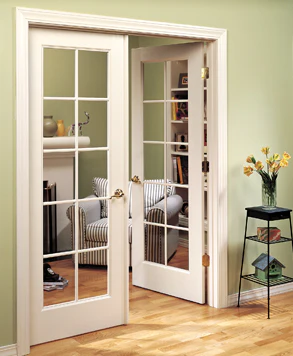
- Double-leaf/French: Symmetrical appearance for wide openings.
Materials & Coatings

- Compact laminate: Resistant to moisture and impacts; ideal for high-traffic areas.
- PVC coating: Economical, easy to clean; medium-grade resistance to scratches.
- Solid (oak/pine/walnut): Natural grain appearance; multi-layer frame to reduce warping.
- MDF with lacquer: Glass-like surface; matte lacquer is current trend and doesn't show fingerprints.
- Aluminum frame + glass: Modern/loft feel; high rigidity in narrow frame.
- Frame & trim: In humid areas, compact/heat-resistant products are priority.
Sizing & Door Direction
- Clear opening: 80×200 cm common in standard construction; 70 cm also seen for corridors and bathrooms.
- Frame allowance: Frame is ~6–8 cm smaller than opening outside to outside; trim adjustment according to wall thickness.
- Door direction: Hinge side and inward/outward swing selected according to corridor flow.
- Threshold & baseboard: Drip edge and threshold rise should be considered in wet volumes.
- Obstacle distances: Door handle/cabinet/key distance planned with min. 5 cm clearance.
Accessories: Hinge, Lock, Seals
- Concealed hinge: Minimal appearance; use of 3 prevents sagging.
- Magnetic latch/lock: Quiet closing; reduces impact noise in children's rooms.
- Automatic drop seal: Blocks sound and air passage; especially effective in parent/study rooms.
- Hydraulic closer: Limits odors and heat loss near kitchen/wet volumes.
- Handle & rosette: Matte black, brushed nickel and gold tones are trending in 2025.
Sound/Thermal & Durability
For a peaceful home, full sealing around door and acoustic fill in necessary rooms is recommended. In humid climates (coastal, near bathroom), compact laminate or PVC surfaces provide advantage for expansion-working; in solid doors, multi-layer frame and moisture balance should be considered.
Budget Tiers
| Level | Scope | Range (₺) |
|---|---|---|
| Basic | PVC coating, standard frame-trim, visible hinge | … |
| Mid | Compact laminate surface, magnetic lock, full seal | … |
| Premium | Solid door, concealed hinge, drop seal, matte lacquer/ingot handle | … |
Net price determined by measurement, material and accessory combination and installation conditions.
Maintenance
- PH neutral cleaning on solid and lacquered surfaces; avoid solvents and abrasives.
- Oil hinges and locks once a year; clean from dust without disassembly.
- Check automatic drop seals every 6 months and adjust if needed.
Frequently Asked Questions
Compact laminate or solid?
Compact laminate is more stable in high-traffic and humid areas. If aesthetics and natural texture are priority, we proceed with well-dried solid and multi-layer frame.
How do we increase door sound insulation?
Full sealing, automatic drop seal and dense fill panel; if needed, 38–42 dB class combinations.
How many hinges should there be?
3 for standard door; 4 concealed hinges recommended for heavy/solid leaves. This prevents sagging and noise.
Call to Action
Let's measure on site, select samples and accessories together; installation in 1 day!